Aspirations, Access & Agency: Women transforming lives with technology
- 2 min read
Alongside the green shoots of post-pandemic recovery, growth, and optimism, a silent revolution is underway — a digital India has emerged even as we battled COVID-19. Women are at the heart of this upsurge in the demand for information and communication technologies (ICTs).
Technological Empowerment of Women In India
(Aged 15-49 Years)
Source: National Family Health Survey, India 2019-21 (NFHS-5)
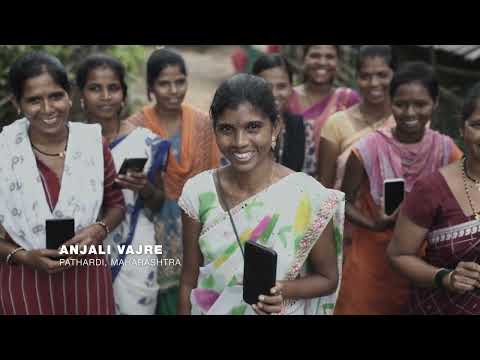
Published by Reliance Foundation and Observer Research Foundation, Aspirations, Access & Agency, Women transforming lives with technology tells the stories of women leaders who have emerged as agents of technological change and socioeconomic inclusion by using technology to help their communities build better futures. Each story narrates a woman’s leadership journey and explores how she evolved as a digital enabler — banking the unbanked, connecting people to essential e-services, facilitating access to welfare schemes, promoting entrepreneurship, using tech to strengthen livelihoods, advocating for e-health, and much more. This compendium aims to raise awareness about these women’s exemplary work. It also seeks to demonstrate the transformational impact ICTs could have on communities and governance.
The lived experiences of these women show the importance of policy initiatives that support digital literacy and skilling, such as the National Digital Literacy Mission, the National Skill Development Mission, and the recently launched Digital Ecosystem for Skilling and Livelihood. These women’s stories demonstrate how successful policy implementation and access to technology can drive change.
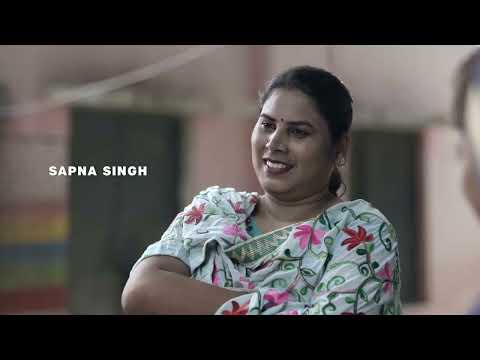
Testimonial


Acknowledgements
This book would not have been possible without the unstinting support of several partner institutions: Anudip Foundation, BAIF Development Research Foundation, Bill and Melinda Gates Foundation, Centre for Advocacy and Research, Centre for Youth and Social Development, Development Alternatives, Digital Empowerment Foundation, Digital Green, Friends of Women’s World Banking, Grameen Foundation India, Gram Vaani, Haqdarshak, Indian Institute of Technology Bombay, PRADAN, SEWA Bharat, Solidaridad, Technoserve, USAID, and ZMQ Development.
To read more about our Women Empowerment initiatives Know More
More Publication
The First Responders
- 2 min read
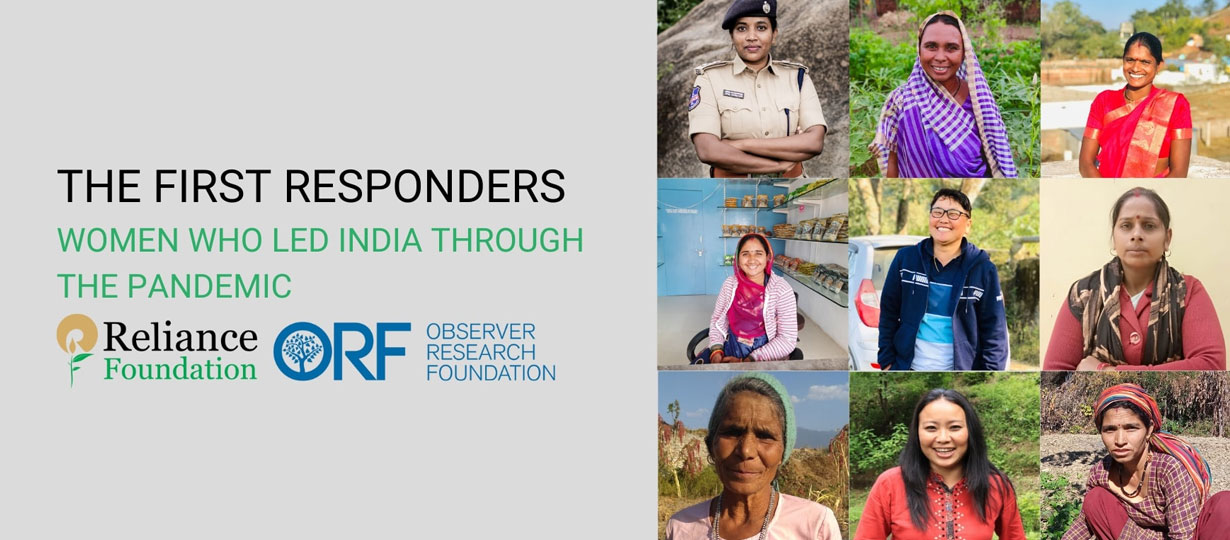
During the COVID-19 pandemic, many people and organisations stepped forward to help steer communities and societies through the crisis. Especially, women from the grassroots showed tremendous grit and led their communities through these challenging times. Yet, many of these stories remain unknown and under reported.
The First Responders, which is published by Reliance Foundation (RF) and Observer Research Foundation (ORF), is an effort to document the untold stories of women leaders in the pandemic who worked at the grassroots in India to provide vital support.
It spotlights 25 stories of women leadership sourced from across the RF and ORF ecosystems and NGO partner organisations, to increase geographical and sector/ theme spread. The publication showcases their relentless efforts towards ensuring the welfare of their communities through their own tumultuous journeys. Along with narrating these journeys, the publication also draws key political, developmental and policy lessons from these stories that could be applied to other contexts.
Testimonials
Anusuiya
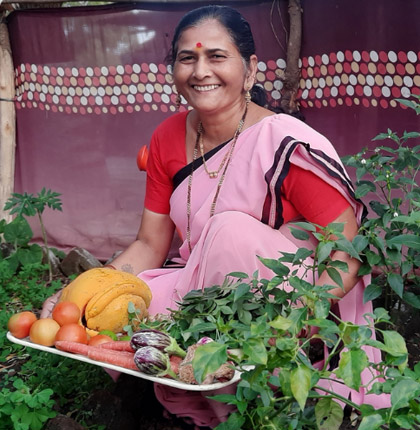
Mahananda Phad
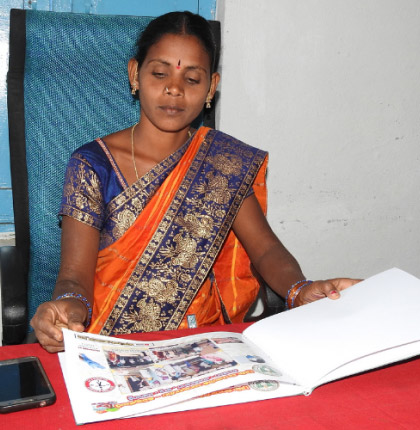
Ponna Swapna
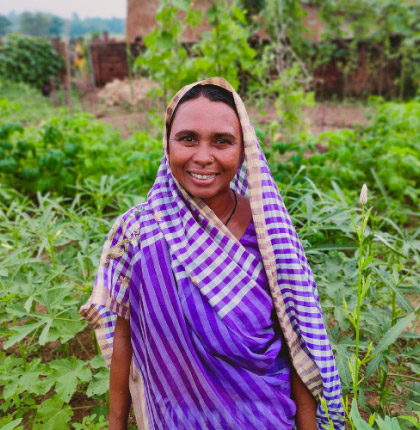
Raushan
Partner Organisations


More Publication
Milk Matters: Enabling women’s agency through better livestock management
 Team Reliance Foundation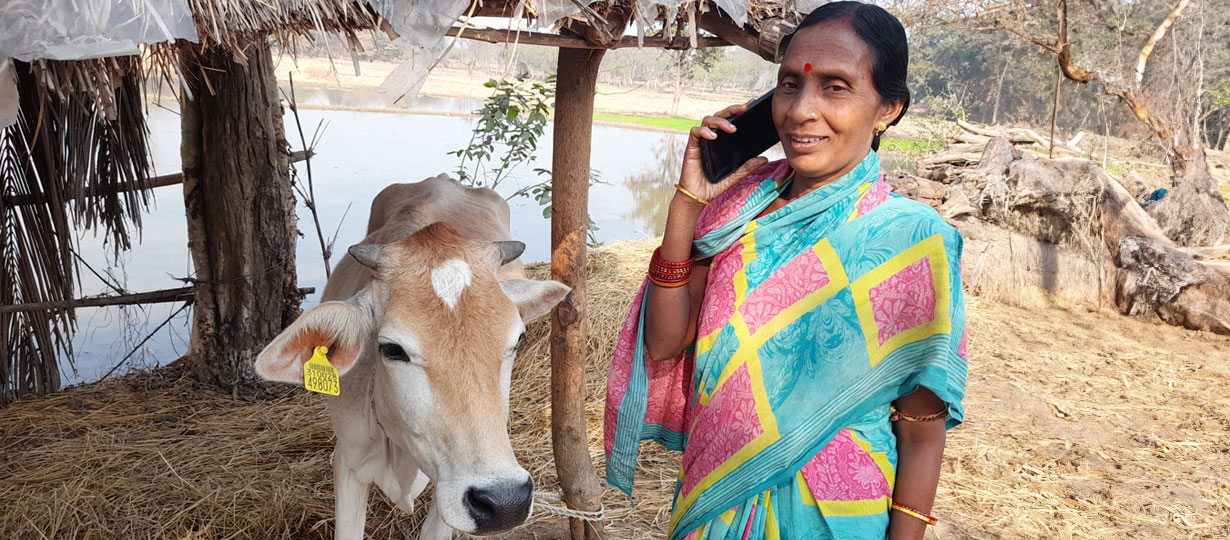
Stepping nimbly over hay and fodder, Basanti Pradhan looks proudly at the cows in her backyard. It had taken her a few weeks to nurse them to good health, but now she knew that they were happier and healthier. A few months ago, Basanti has seen the cows Goria and Dhabli that she cared for so carefully, struggle with disease, poor nutrition in spite of everything she did. Distressed, though she was unwilling to give up on them, it seemed there was no other option ahead.
This was July 2022 – when the south-west monsoon had set in across India and her and her family’s attention was also required for preparatory work for their two-acre farmland where they usually grow paddy during kharif and rabi seasons, besides vegetables.
While the farmland was primarily managed by her husband, Basanti was worried about the cattle that she considered an extension of her own five-member family.
Gaisima village under Bargarh block, Bargarh district, Odisha boasts adequate irrigation from the Mahanadi river-sourced canal water, to support paddy as the major crop. Basanti’s husband owns the family’s agricultural land.
In spite of being engaged actively in India’s rural workforce, women’s land ownership has remained low; in which context their sense of ownership or self-identification as farmers is still much lower than for men. The rapidly growing livestock sector in India, accounted for about 5% of national income and 28% of agricultural GDP in 2018-19, growing nearly four times faster than crop farming over recent years. However, in the case of livestock farming, for over 5.4 million Indian women, at the forefront of India’s milk revolution, indeed, managing livestock has given them agency, economic empowerment and a definition of independence. Women constitute about 69% of workforce engaged in livestock sector while in states like Jharkhand, Chhattisgarh, Odisha, women form upto 90% of the livestock sector workforce.
What women do need, however is support to enable and empower them towards the economic independence that livestock can provide. This is exactly what Basanti needed too. For her, timely advice came through the reference of her own cooperative, the lofty sounding Baba Balunkeswar Co-operative Women Milk Society named after the ancient Lord Shiva temple in the village.
Basanti sat down to attend an audio conference, that was organised by Reliance Foundation, through her society members. This was her first experience listening to an interesting conversation where experts directly advised farmers with scientific solutions during the conference. During this time, she learnt many interesting things. She heard about nuances of animal health, timely vaccination and the cow hoof disease that had affected her own cattle. She learnt how she could manage them much better – hearing directly from accurate scientific information, in a simple manner that was easy for her to access in her neighbourhood.
Theory was followed by practice as three months later, she also participated in a livestock treatment camp organised by Reliance Foundation, where she got free medication, vaccination and tonics for her two cows and a calf.
The approach was scientific, the diagnosis was quick, and most of all, the solution was simple enough for Basanti to tend to her cattle on her own.
Within 30 days she could see a significant difference. Rid of the disease, the cattle responded well to the fodder and so their milk production increased as well. Within six months the milk production from her cows has nearly doubled. She now struts around proudly among her cows, they equally spirited.
“My highest level of formal education was Grade III at school”, she laughs, “now ask me about scientific cattle management practices, I can tell you a thing or two. Most of all, I feel self-reliant, stronger as a person and within my family as well. They have seen the difference and they think much more of my personal opinion now.”
Mobile phone in hand, Basanti absently strokes Goria as it moos affectionately. It was not just the cow that had found its voice. Through Reliance Foundation, Basanti found that bit of empowerment, her identity and also found her voice as a person, as an empowered rural Indian woman.
Reliance Foundation has been working with over 66 million most-at-need communities across India since 2010, with a mission to build a more inclusive nation.
Read more about our work on Women Empowerment here.
More Stories
Women Connected: Strategies for Bridging the Gender Digital Divide in India
- 2 min read
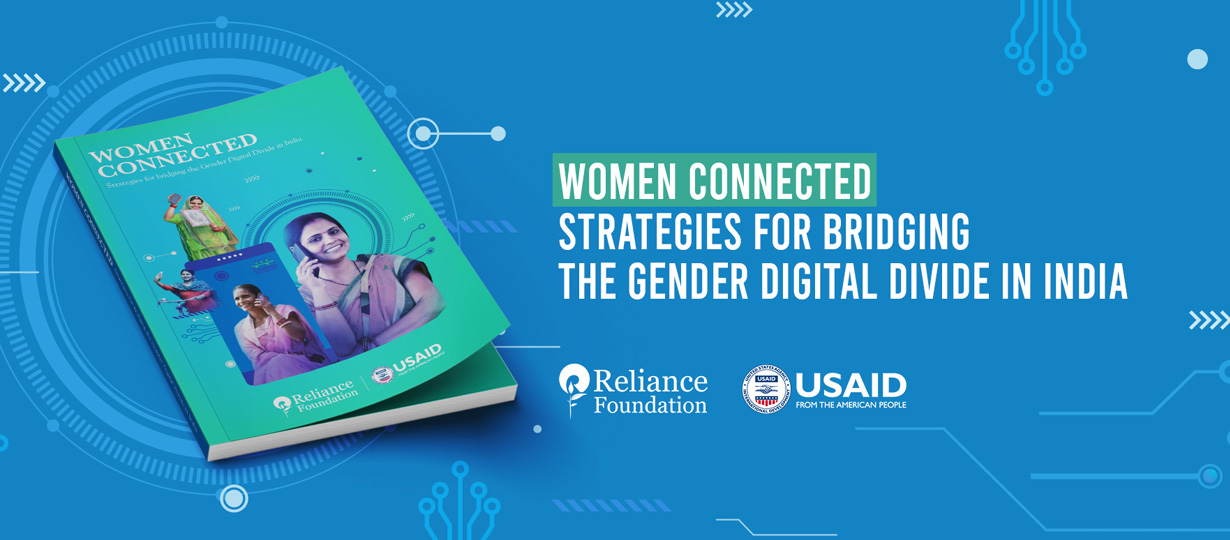
This publication serves as a comprehensive resource for understanding the impact of technology in improving women's lives. It highlights interventions and shares lessons learned from the first round of the WomenConnect Challenge India. By showcasing the transformative potential of technology, it hopes to inspire further innovation and collaboration to reduce the gender digital divide in India. Launched in 2020 by Reliance Foundation and the United States Agency for International Development (USAID), WomenConnect Challenge India calls for innovative solutions across the world to advance women’s social and economic circumstances by improving their access to and use of technology.
Through the WomenConnect Challenge India, Reliance Foundation and USAID have identified innovative solutions from not-for-profit organisations that empower women via access to and the use of digital technology to drive positive education and livelihood outcomes for themselves and their families. In Round 1, over 180 organisations applied. 10 organisations across India were selected and supported with grants of up to INR 1 crore each (approximately $120,000 each), between 2021 and early 2023.
Read the publication to know more about the key learnings on programmatic interventions to reduce the gender digital divide in India.
Partner Organisations






More Publication
Women, Technology, and the Sustainable Development Goals: Reshaping the Pathways to Change
- 23 September, 2023
- New York
- 06:00 AM
- 2 min read
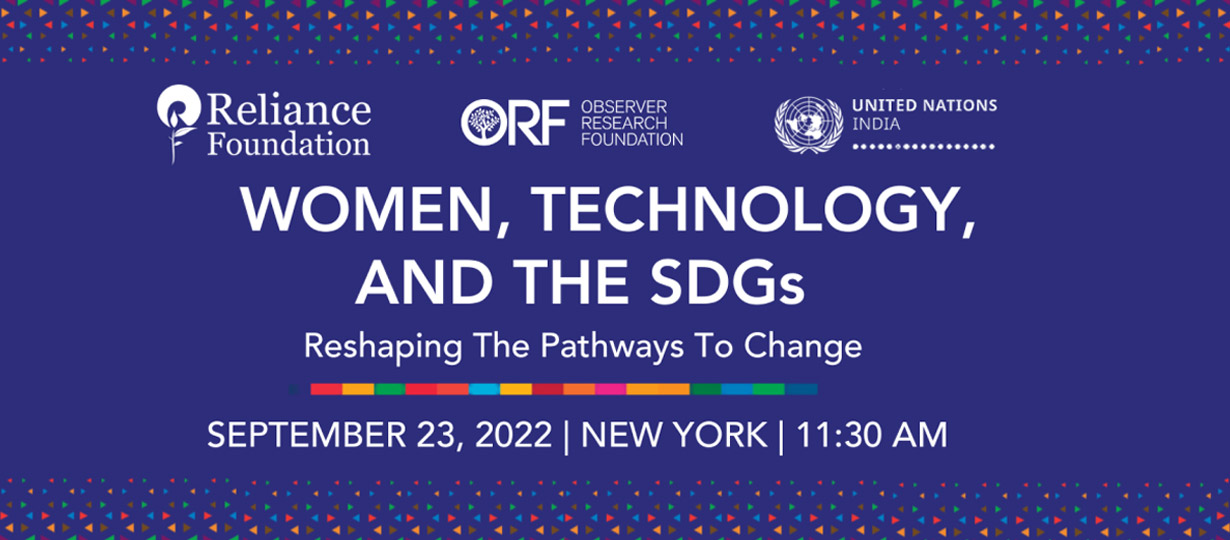
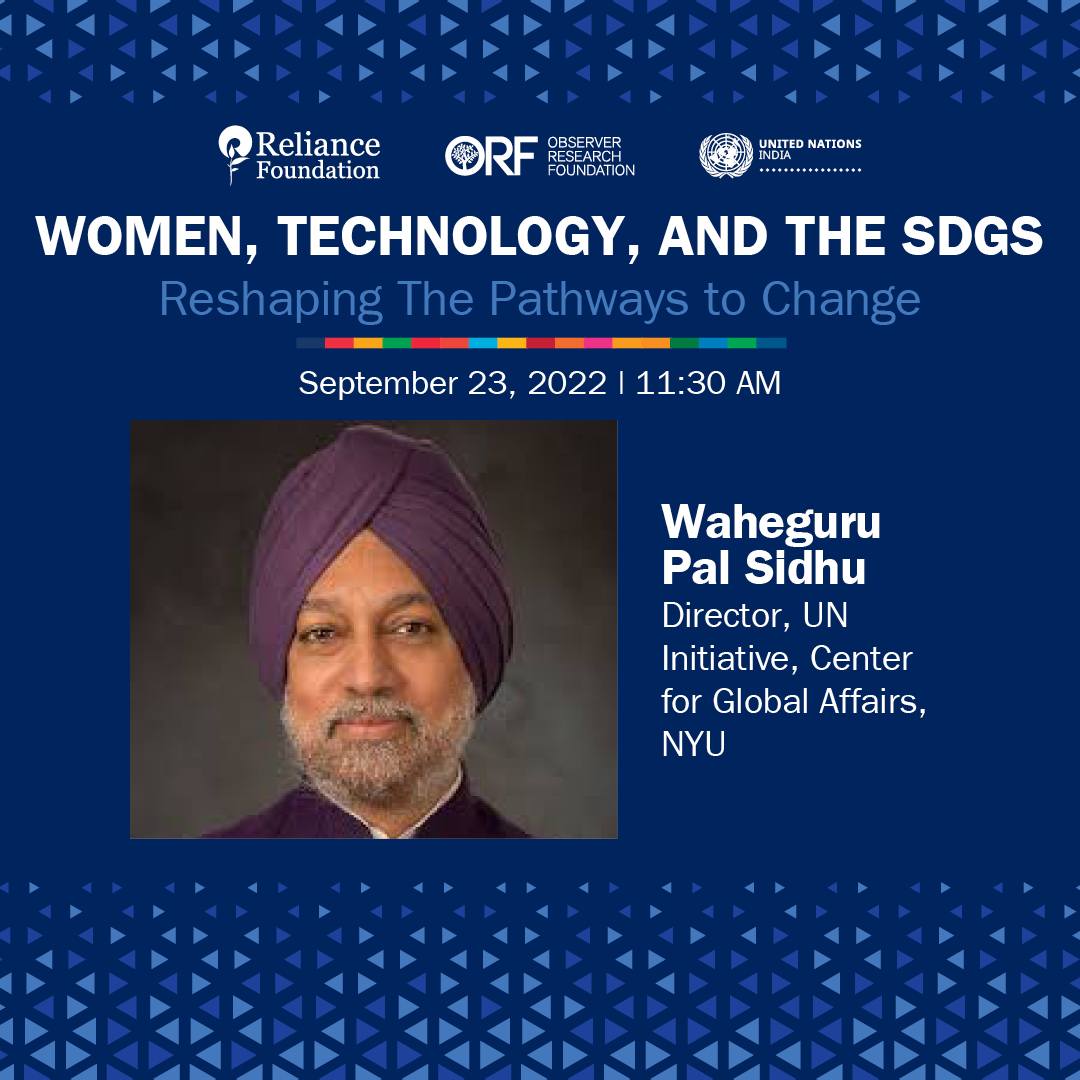
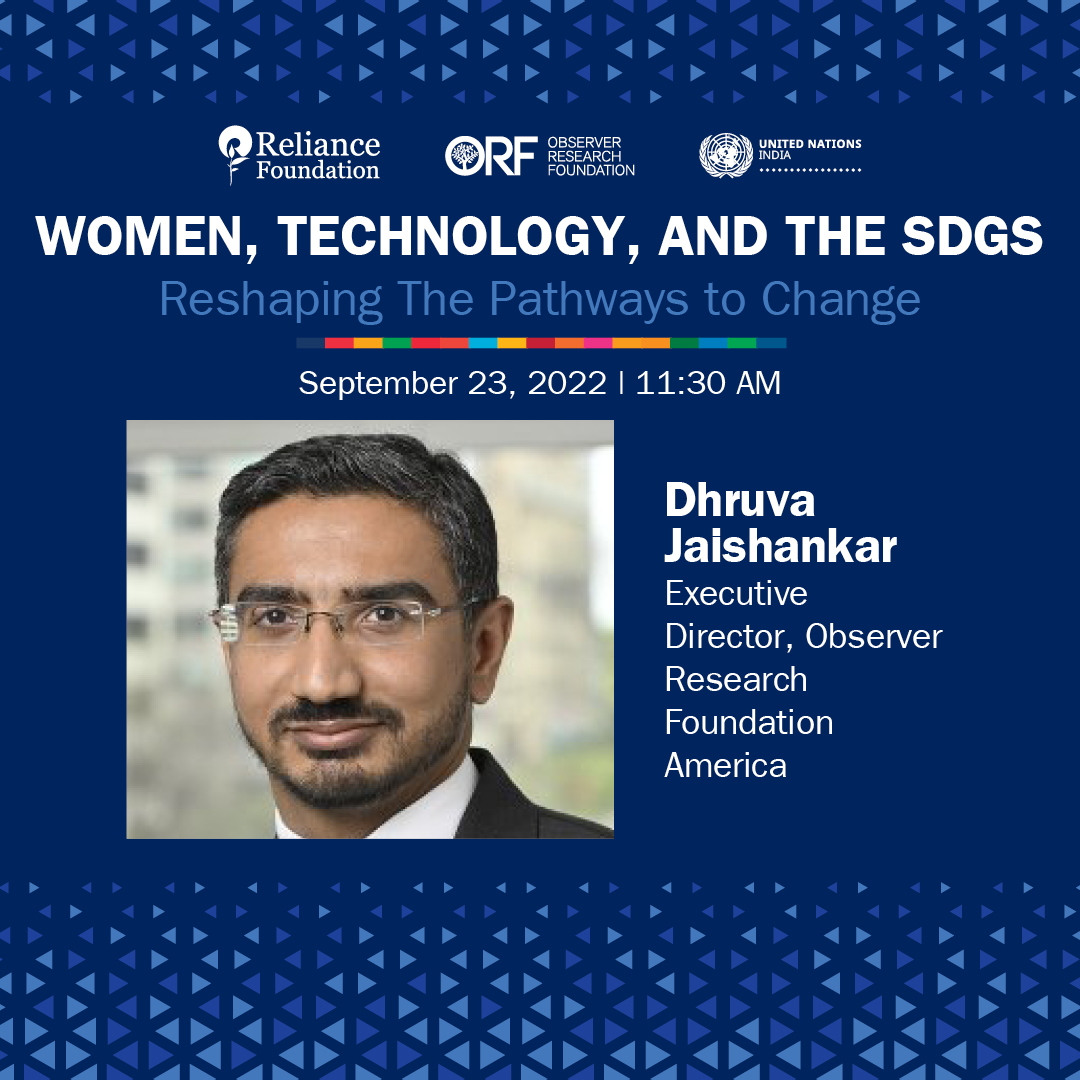
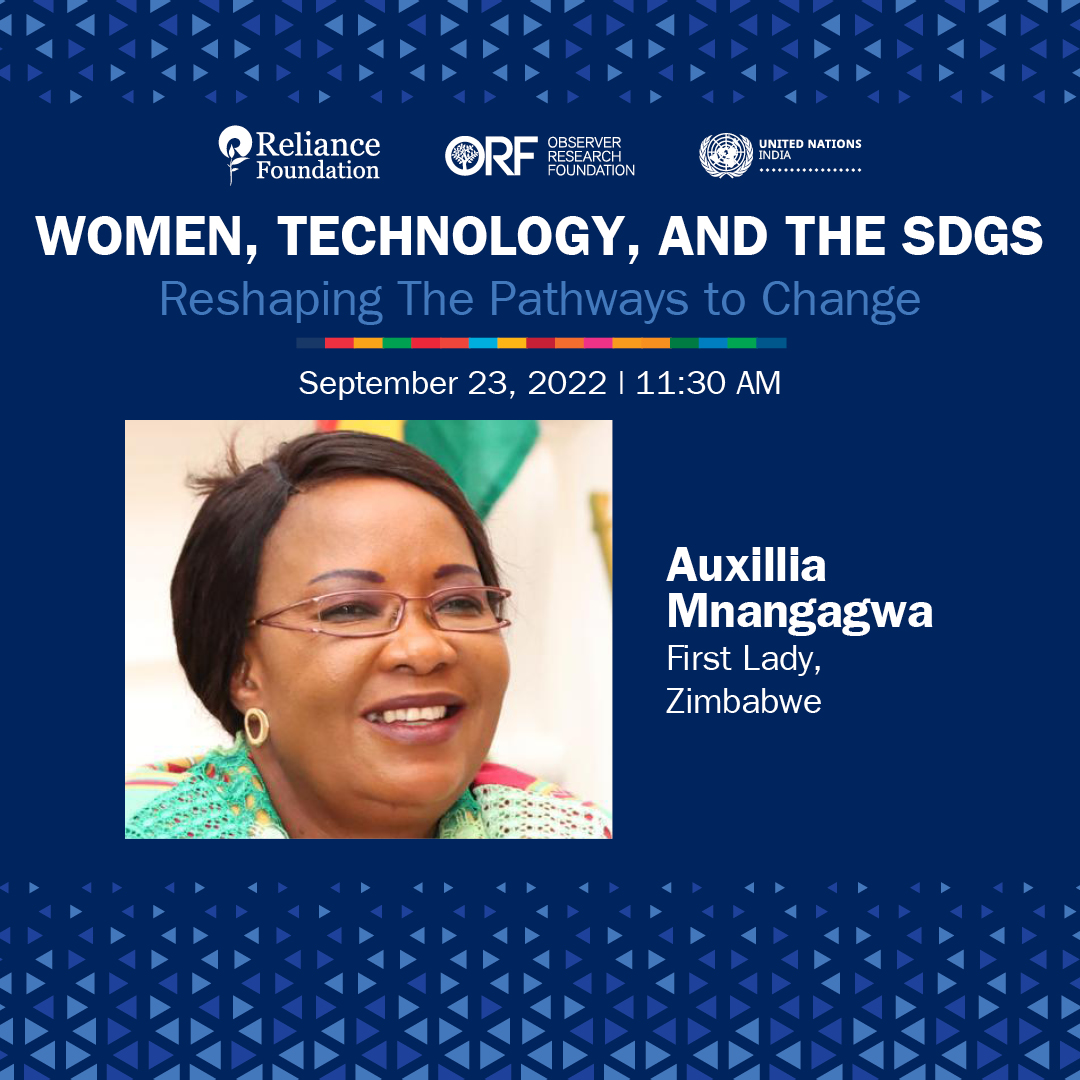
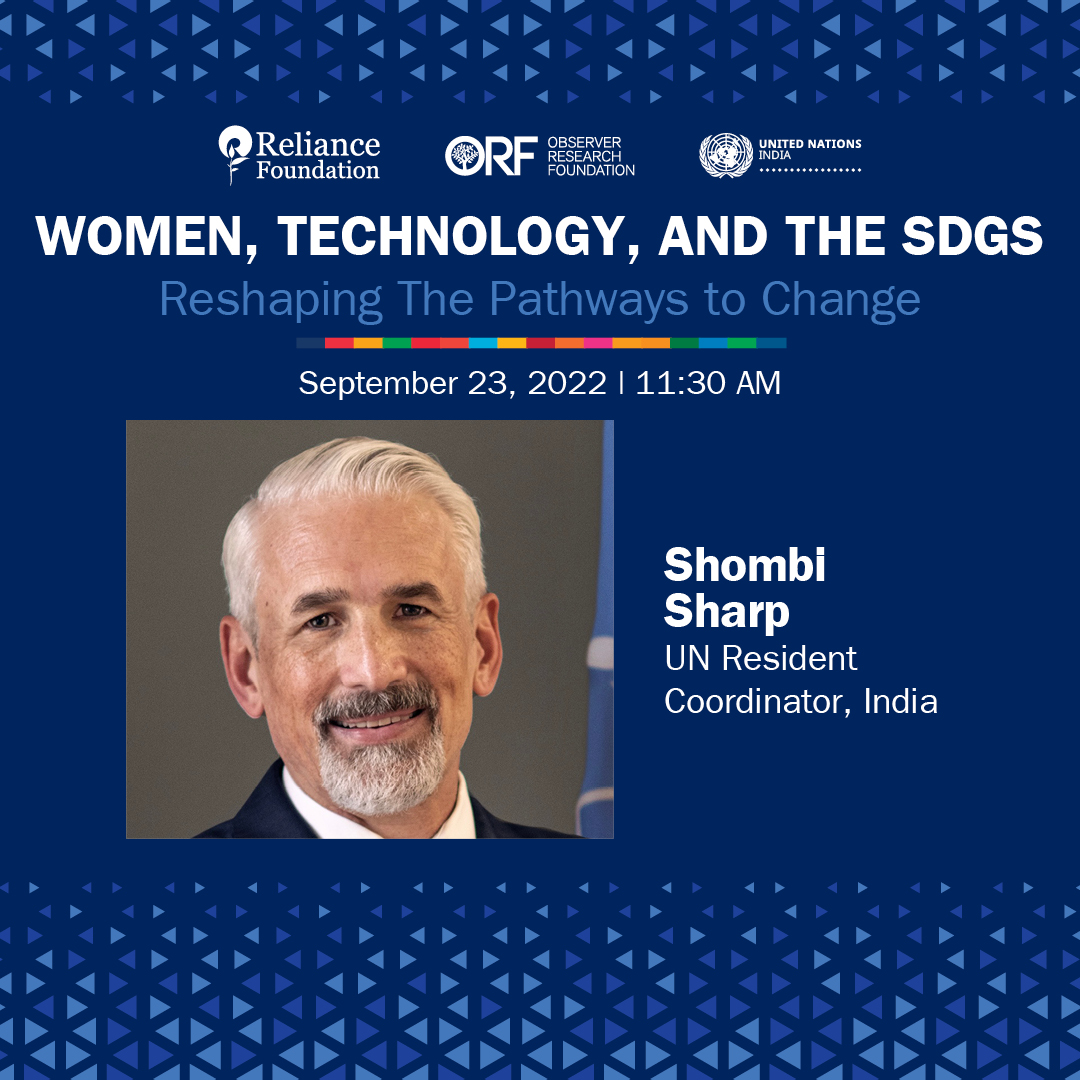
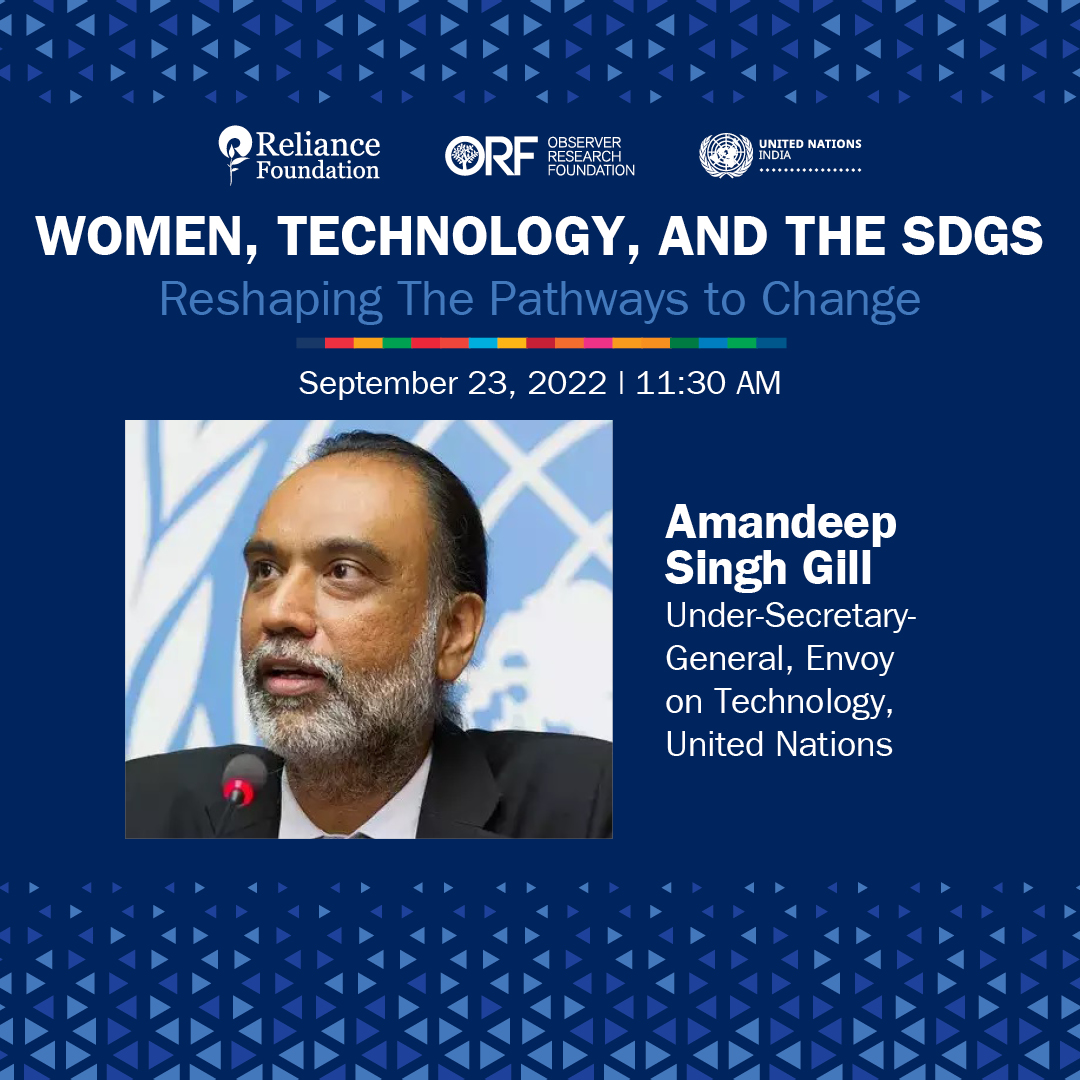
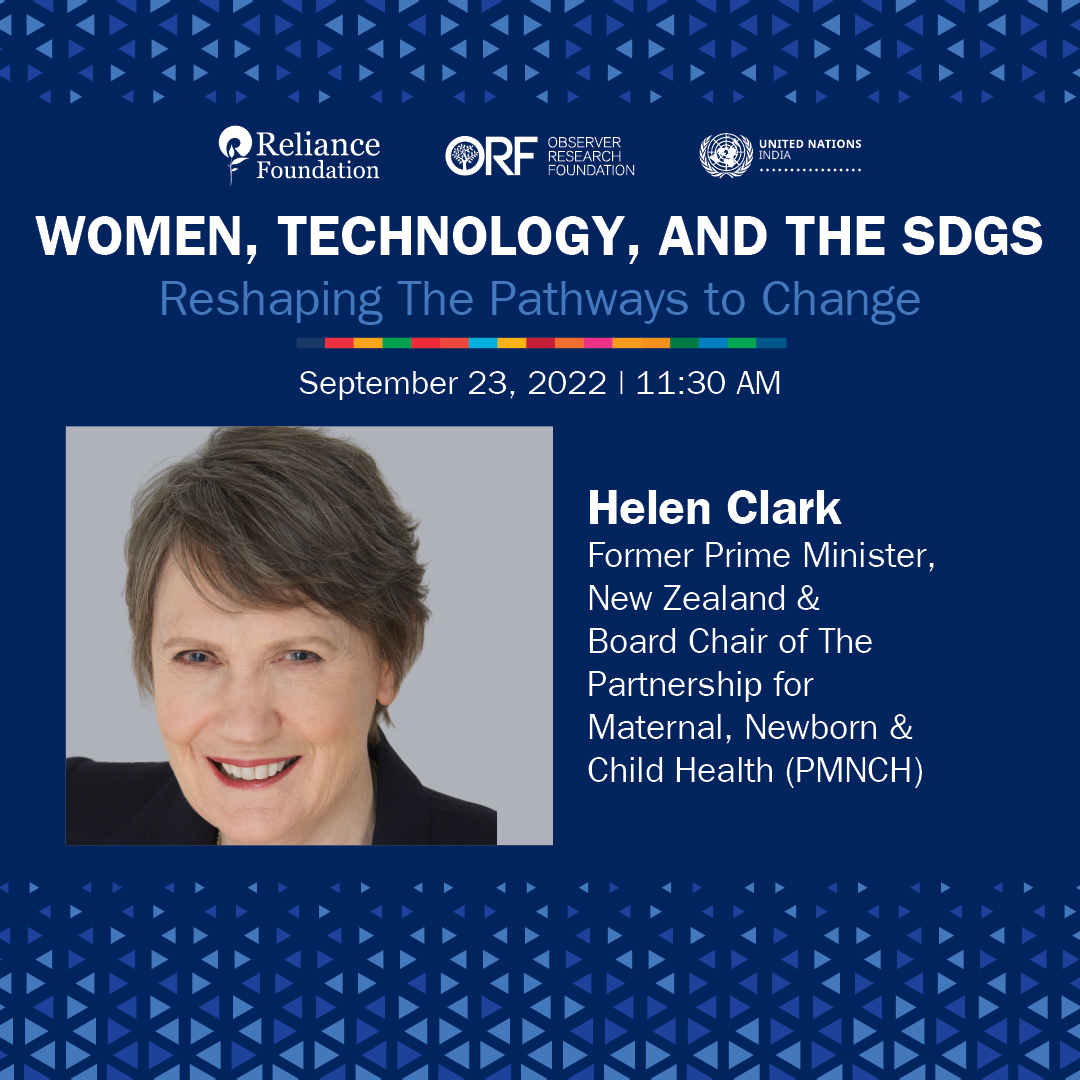
Reliance Foundation, The Observer Research Foundation and The United Nations India are hosting an event focused on bringing conversations about sustainability, growth and the global green transition to the G20 debate on September 23, 2022.
Areas of discussion include how women are redefining the pathways to change through utilising innovative technology in innovative ways in areas such as solutions in the areas of health, digital literacy, food security and nutrition, and will explore how access to digital resources is as well as enhancing their ability to access government schemes to empower not only themselves but also their communities, and to bring gender to the fore of the development discourse. The conversation also addresses the broader question of global cooperation and role of UN, G20 and other groups to help communities recover from the shocks of the pandemic and conflicts and use the digital medium to galvanise the journey to 2030.
International policy-makers, development and corporate sector leaders, and academics participate in the discussions.