Disaster Management
Early warning, Early Action: Reliance Foundation – UN India convening brings experts, ideas together in Odisha
- 19 November, 2024
- Bhubaneswar
- 7 min read
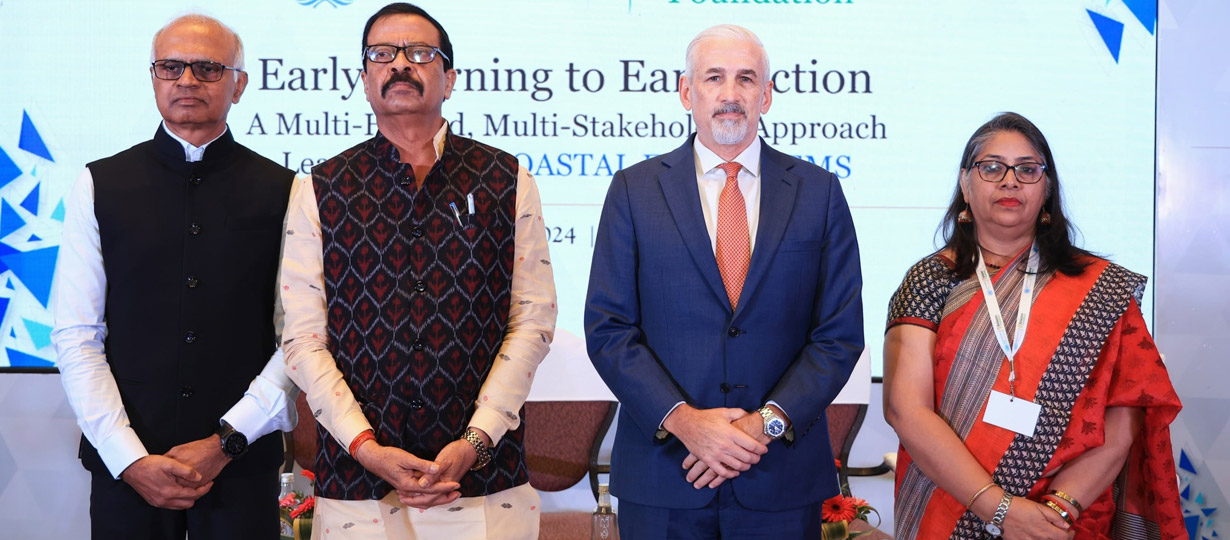
* Stakeholders from multiple Indian states and countries in the Global South came together
*Learnings from coastal ecosystems shaped discussions about ways to strengthen early warning and action
* The convening in Odisha marks a first in a series to capture best practices, identify innovations and drive meaningful policy outcomes for a more resilient future.
Building new ideas to strengthen early action during disasters, Reliance Foundation and the United Nations India convened stakeholders from the Global South to deliberate multi-hazard, multi-stakeholder approaches to early warning, here today.
The Odisha convening, titled ‘Early Warning to Early Action - A Multi-Hazard, Multi-Stakeholder Approach: Learning from Coastal Ecosystems’, is the first in a series of convenings that Reliance Foundation and the UN India are organising. The gathering highlighted Odisha’s leadership in early warning and early action in a disaster-prone coastal area with focus on livelihoods and gender.
Experts from state and national disaster management agencies including the National Disaster Management Authority, India Meteorological Department and Indian National Centre for Ocean Information Services, UN organisations, researchers, policy experts, academia and non-governmental organisations were part of in-depth discussions.
The Chief Guest at the convening, Mr. Suresh Pujari, Minister for Revenue and Disaster Management, Government of Odisha, said “We are working collectively to further strengthen early warning systems and we are happy that Odisha has been chosen as the first state to start this series of deliberations. The Odisha government works with various stakeholders on minimising the intensity of natural disasters. We will be working with the UN, Reliance Foundation and all other stakeholders for suggestions and technological assistance. We request the organisations we work with to find ways to integrate disaster prediction with information analysis for greater accuracy in early warnings.”
“As climate change drives more extreme events, there is a need to strengthen impact-based forecasting to ensure it translates more effectively to local action. We have witnessed the lifesaving potential of early warnings while serving communities during cyclones, floods and other extreme events. India is pioneering knowledge advancement in rapidly advancing early warning systems. We have been driving innovative solutions in early warning systems through extensive use of technology and approaches for effective reach and impact. The convening series, being organised by Reliance Foundation and the United Nations in India office, aims to work collectively with various stakeholders to realise the goal of translating knowledge into local action,” said Mr. Jagannatha Kumar, CEO, Reliance Foundation.
“Answering the UN Secretary-General’s call for Early Warning for All across the world, the convening today organised by the UN in partnership with Reliance Foundation is the first in a series of convenings on DRR. We're also showcasing the Government of Odisha’s leadership in Early Warning Systems for disaster response, a crucial story to tell and an opportunity to share best practices and knowledge with other states and countries in the Global South. The UN remains committed to supporting these efforts through our various agencies, working closely with the government, civil society and partners like Reliance Foundation to strengthen Early Warning Systems and build community resilience,” said Mr. Shombi Sharp, UN Resident Coordinatior for India.
Experts focussed on the present advancements in early warning systems, sharing varied perspectives on challenges and ways to strengthen early action, including deliberating approaches to future-proof disaster preparedness in the panel discussions ‘Current State of EWS and Early Action: Assessing effectiveness’ and ‘Future Proofing and Innovation towards Integrated Early Warning System’. The sessions also underscored the need for multi-hazard approaches and integration of socio-demographic information with meteorological data for targeted early action messaging.
Through discussions focussed on learnings from recent implementation of early warning systems in coastal states, youth and gender-led disaster risk reduction initiatives and integration of livelihood protection along with early warning systems.
The convening facilitated South-South knowledge exchange with experts from Sri Lanka and Bangladesh sharing their best practices and highlighting the importance of strengthening collaborations. The panellists also reflected on pre-convening field visits to villages in Balasore and Bhadrak districts to see the work of Reliance Foundation and the UN India, in collaboration with the administration. An interactive exhibition at the convening helped delegates experience innovations and further enhanced the knowledge exchange process on the country’s efforts to strengthen early warning and action.
The Early Warning to Early Action convening series aims to document best practices, identify innovations, and deliver impactful policy-level outcomes to save more lives and livelihoods.
Page Content
More Media Release
Disaster Management
Nature-Based Solutions: Disaster Risk Reduction
- 1 min read
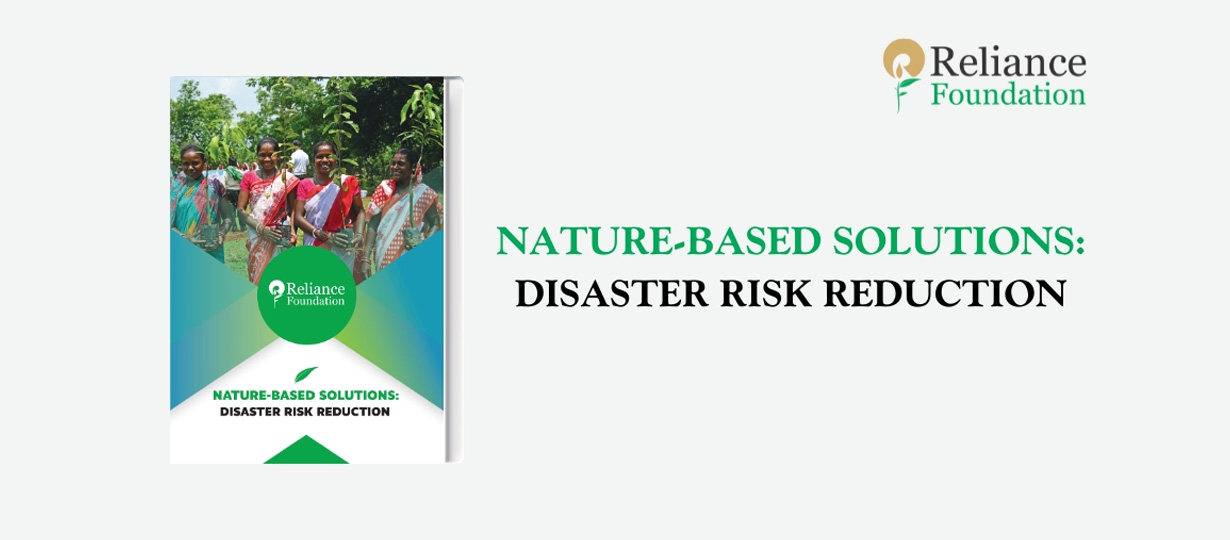
With climate change causing an increase in the frequency and intensity of disasters, there is an urgent global need to deal with these risks by taking an interconnected and pluralistic approach.
Solutions steeped in the ideas of biodiversity conservation such as safeguarding forests, mangroves, and active ecological restoration can help communities in preparation, response, and recovery from natural disasters. These referred to as Nature-based Solutions can help mitigate natural disasters like cyclones, floods, and even slow-onset events such as drought.
This publication by Reliance Foundation explores how nature-based solutions can help communities in preparation, response, and recovery from natural disasters.
Sign up to download the publication
Download now
Page Content
More Publication
Disaster Management
“We stand by the people of Kerala in this difficult time”: Reliance Foundation announces immediate relief and long-term development initiatives for landslide-hit Wayanad communities
- 06 August, 2024
- Wayanad
- 8 min read
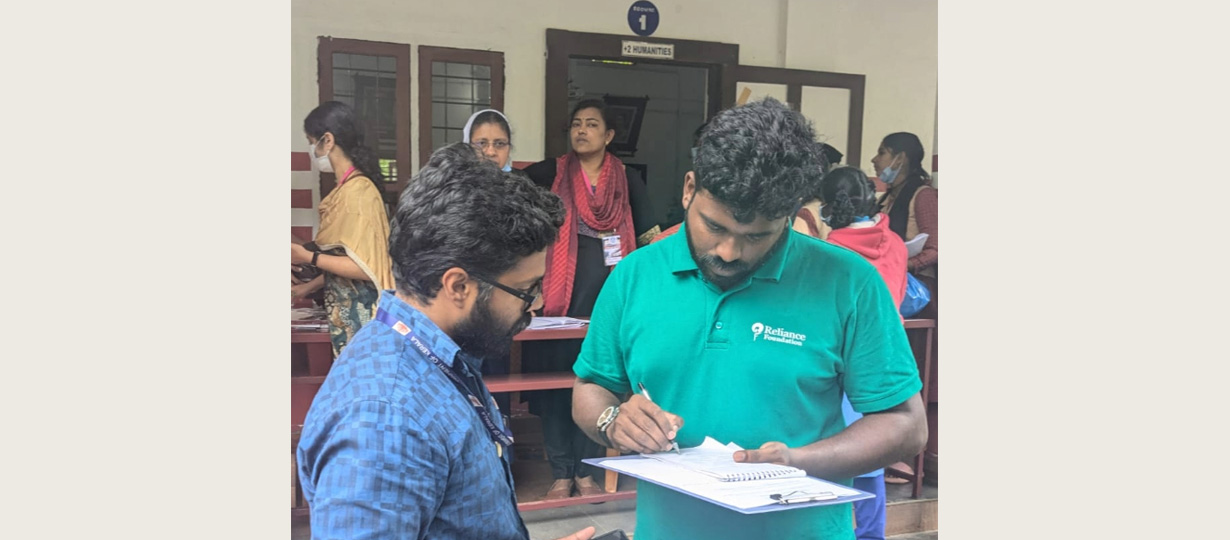
- In close co-ordination with state authorities and the SDMA, Reliance Foundation has rolled out immediate on-ground relief support
- Reliance Foundation’s disaster management team is delivering need-based essentials to people in camps coordinating with government
- Commitment to Wayanad includes a multi-pronged approach; from relief to rebuilding livelihoods
As landslides at Wayanad have created heartrending scenes of devastation, everything possible needs to be done to support the people at this time. Reliance Foundation as part of deep commitment to the nation, especially in its most challenging hours, announced a multi-pronged approach to support the people of Wayanad in the immediate, mid-term and long-term.
In co-ordination with the government authorities and the disaster management teams in the district, Reliance Foundation is on the field in co-ordination with local authorities to provide all possible support. The teams are delivering immediate relief to people located in camps including milk and fruits for essential nutrition. Over the next few weeks and months, Reliance Foundation has committed to holistic immediate, mid-term and long-term support for the severely affected district, along with sustainable initiatives to address prevention, strengthen early warning and early action.
Expressing grief at the unprecedented events in Kerala, Mrs Nita Ambani, Founder and Chairperson, Reliance Foundation said, “We are deeply pained by the suffering of the people of Wayanad and the immense damage caused by the landslides. At this time of extreme sorrow, our hearts go out to every single person and family who has been affected. Our Reliance Foundation teams on the ground are supporting the immediate response, recovery and long-term requirements for the people of the district. We stand by the people of Kerala in this difficult time.”
Earlier, during the floods of 2018, 2019, 2021 and through COVID-19, Reliance Foundation has provided relief and follow-up support to the state of Kerala. Building on its long-term disaster risk resilience initiatives, Reliance Foundation will strengthen collaborative and community-based efforts at Wayanad and other vulnerable regions in the country.
Reliance Foundation’s multi-pronged commitment to Wayanad includes:
1. Food & nutrition including providing ready-to-eat nutritious foods including fruits and milk, dry rations, kitchen utensils and other essentials such as stoves to help families in resuming kitchens
2. Water, Sanitation and Hygiene (WASH) including provision of toiletries, essential hygiene requirements and basic daily requirements for hygiene and health
3. Shelter & living essentials including temporary shelters for affected populations, bedding, solar lanterns and torches, clothing and cleaning material to help people restart their households
4. Sustainable livelihood recovery for affected families to resume livelihoods including seeds, fodder, tools and vocational training to diversify income sources and focus on resilient agriculture tailored to Wayanad’s unique ecosystem
5. Education support including books and play material to ensure continuity of education for affected children
6. Ensuring reliable connectivity, Reliance Jio has installed dedicated towers and provided Jio Bharat phones, enhancing communication for residents, rescue workers, and disaster management teams to streamline activities and rebuild lives
7. Psycho-social support and community healing including counselling for trauma-affected individuals with experts, for social interaction to help people heal. These measures include special efforts to support children and youth
The Reliance Foundation team has already swiftly deployed personnel on the field for relief and is in discussions with state authorities. Each of the planned measures are being progressively rolled out synchronizing with the state and the other disaster response agencies to ensure that response is effective, reaching the people in a timely manner, in their darkest hour of pain.
Reliance Foundation remains committed to supporting the people of Wayanad in the long term, to enable a resilient and thriving community for the future.
Page Content
More Media Release
Disaster Management
‘Stronger Together’: A compendium of stories of courage & resilience during disasters
- 2 min read
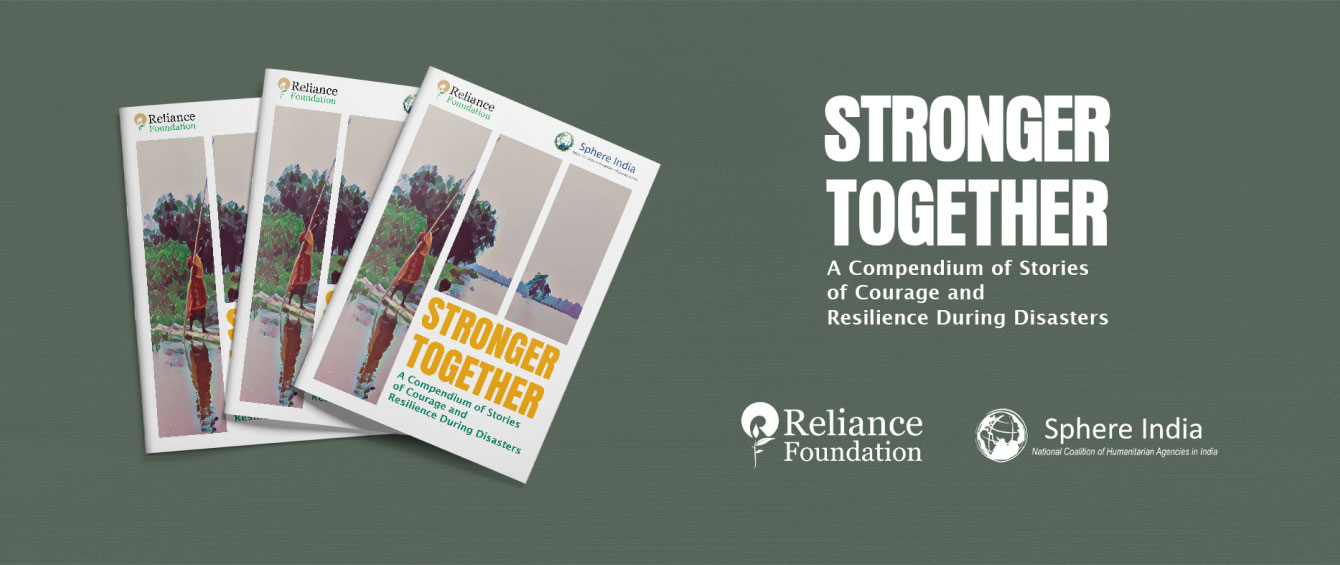
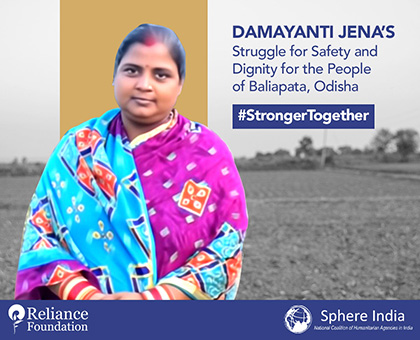
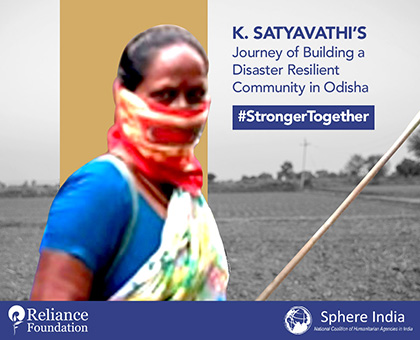
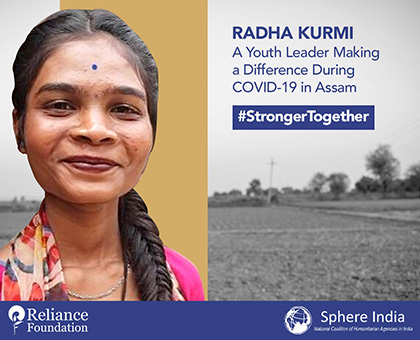
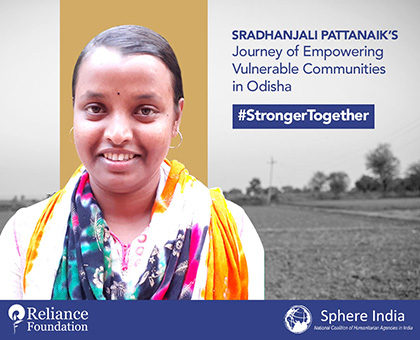
Individuals at the grassroots have been a vital part of the support system for mitigation and response efforts during disasters in India. These individuals are developing the capacities and leading efforts to drive disaster management and resilience in their communities.
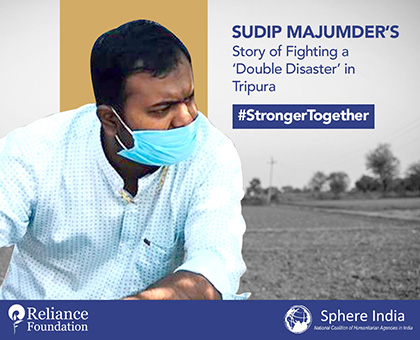
‘Stronger Together’: A compendium of stories of courage & resilience during disasters, prepared by Reliance Foundation and Sphere India, captures best practices by individuals at the grassroots level for mitigation, preparedness, and response to various disasters in India.
It serves as a powerful source of inspiration for others to learn and draw strength, enabling them to better prepare for and respond to disasters in India.
The stories presented in this compendium are based on the experiences and perspectives of individuals at the grassroots level who have actively contributed to disaster management and resilience efforts in their communities.
‘Stronger Together’ is a tribute to the ten individuals who have shared their stories of courage and resilience during times of disasters, along with millions of other individuals whose efforts often go unnoticed, yet continue to inspire the community with their relentless work, every day, contributing towards humanity by helping each other during times of emergency and crisis.
Sign up to download the publication
Download now
Page Content
Organisations featured in the publication
This publication would not have been possible without the time and support of the organisations that have contributed immensely towards the lives and initiatives, of the individuals captured in this compendium: SEEDS India, Centre for Advocacy and Research (CFAR), Save the Children India, Swayam Samajik Vikas Sanstha, Ghoghardiha Prakhand Swarajya Vikas Sangh (GPSVS), Centre for Youth Development and Activities (CYDA), Plan India, and Bagma FPO. Their commitment and dedication have been crucial in bringing about positive change and making a significant impact on the lives of countless individuals.
More Publication
Disaster Risk Reduction
Mainstreaming Disaster Risk Reduction
Reliance Foundation takes a holistic approach to address the underlying risk factors to prevent and mitigate disaster impacts. For safer communities and institutions, Reliance Foundation aims to embed Disaster Risk Reduction (DRR) in local planning; equip cities and panchayats for hazard assessments, prevention and mitigation.
These initiatives aim to integrate Village Disaster Management Plans (VDMPs) with Gram Panchayat Development Plans (GPDPs) for leveraging government resources for localised risk reduction. NbS are promoted to reduce hazard exposure and enhance sustainability through interventions such as mangrove plantations as bio-shields in the coastal region, drought-resilient fodder systems for livestock in arid regions, and the plantation of various shelterbelt species.
In parallel, the programme emphasises climate-resilient livelihoods by leveraging knowledge resources to strengthen awareness and capacity around adaptive livelihood and crop protection practices, thereby enhancing community resilience, economic stability, and sustainability for long-term rural livelihoods.
Reliance Foundation integrates Disaster Risk Reduction by using both advanced GIS-based tools and community-led hazard, risk and vulnerability assessments. GIS analysis is used to create hazard line maps and digital elevation models that help simulate disaster scenarios and support planning efforts. These insights strengthen community understanding of risks and inform local decision-making.
At the last mile, disaster management planning is designed to be community-led, inclusive and participatory. Integrating these plans with development programmes ensures that DRR is mainstreamed into long-term community development.
Community-led Hazard, Risk and Vulnerability Analysis (HVRA): Using GIS-based macro-level HVRA, hazard line mapping and DEM models, communities participate in analysing historical disaster impacts and the evolving risk landscape. Through participatory rural appraisal techniques, communities assess their exposure to hazards, socio-ecological factors and the resulting vulnerabilities and resilience levels.
Village Disaster Management Plans (VDMPs): Insights from community-led HVRA processes are used to develop and update VDMPs. These plans document the village’s hazard history and current vulnerabilities, and outline preparedness measures to mitigate future risks. VDMPs serve as essential tools for both administration and communities during emergencies, providing clarity on resources and response mechanisms.
Integration into GPDP: Integration of Village Disaster Management Plans into Gram Panchayat Development Plans ensures that disaster risk reduction is embedded within local development priorities and budgeting processes. This alignment strengthens risk-informed governance by enabling communities to proactively address hazards while leveraging government schemes for resilient and sustainable development.
Nature-Based Solutions for DRR
Reliance Foundation promotes bio-shields and mangrove plantation as nature-based solutions to reduce communities’ exposure to hazards. These initiatives are community-owned and community-driven, bringing together experts, technology and local leadership to strengthen resilience.
The programme supports site-specific interventions such as creating bio-shields along ocean and riverbanks, which offer natural protection against cyclonic storms, tsunamis, high winds and soil erosion. Community-led mangrove nurseries, natural regeneration practices to address fodder scarcity in drought-prone areas, and ecosystem-based approaches are used to build socio-economic and environmental resilience.
Awareness on Climate Resilient Livelihoods
The programme places climate vulnerability at the core of its planning and village selection process, prioritising communities that are highly exposed to climate-induced disasters. All project villages are severely affected by risks such as erratic rainfall, prolonged droughts, recurrent floods, and rising temperatures, which disrupt traditional livelihood systems and deepen poverty and inequality. Recognising that primary livelihoods are among the most impacted dimensions of climate change, Reliance Foundation emphasises resilience-building as a critical pathway to long-term recovery and economic stability.
Leveraging Reliance Foundation’s extensive outreach and its robust risk communication platform, the programme actively engages scientists, technical experts, and government officials on issues related to agriculture, livestock and fisheries sectors during disasters. These partnerships enable RF-DM to translate climate and risk information into actionable insights for communities. Through targeted awareness generation and capacity-strengthening initiatives, the programme promotes climate-resilient livelihood practices that help communities anticipate, adapt to, and recover from climate shocks.
By integrating climate risk considerations into livelihood planning, the programme aims to secure economic stability for households, reduce long-term disaster impacts, and foster resilience that enables communities to withstand future climate uncertainties while safeguarding natural resources.
Page Content
More on Disaster Management
Disaster Preparedness
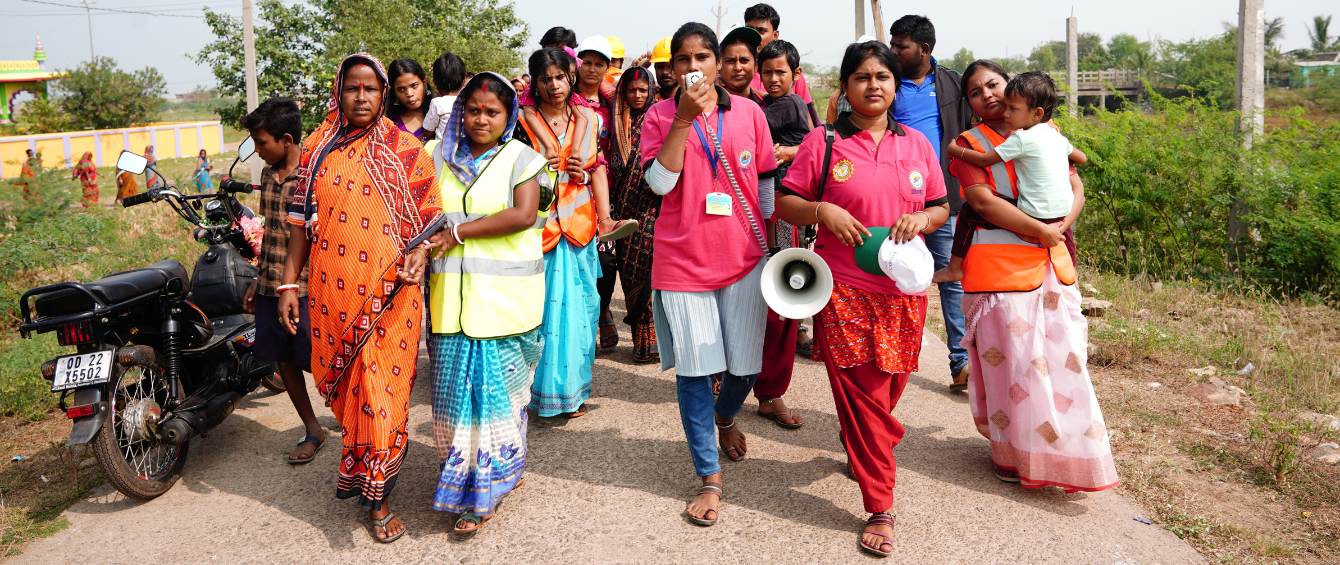
Reliance Foundation strengthens community preparedness for disasters through enhanced early warning systems, anticipatory action and localised risk reduction efforts. Using GIS, digital platforms and a multi-channel communication approach, we ensure improved awareness of vulnerable communities to save their lives and assets during disasters.
Our early warning programme equips communities with predictive insights and critical information, enabling them to take informed action ahead of disasters and minimise loss of life, assets and livelihoods.
Early Warning and Early Action
Early Warning and Early Action (EWEA) focuses on proactive disaster preparedness and risk reduction by ensuring that timely alerts are translated into effective preventive measures to minimise the loss of lives, livelihoods, and assets. By bridging the gap between hazard detection and on-ground response, EWEA enables communities and other stakeholders to act before disasters strike. This approach aligns with the Sendai Framework for Disaster Risk Reduction, which aims to substantially increase the availability of and access to multi-hazard early warning systems and disaster risk information by 2030.
Through its Disaster Management programme, Reliance Foundation strengthens last-mile early warning dissemination to enhance the timely preparedness of communities against climate-related hazards and reduce disaster impacts. Reliance Foundation partners with government agencies at national and sub-national levels, along with regional institutions, to receive timely advisories and support vulnerable communities to take early action.
Capacity Development
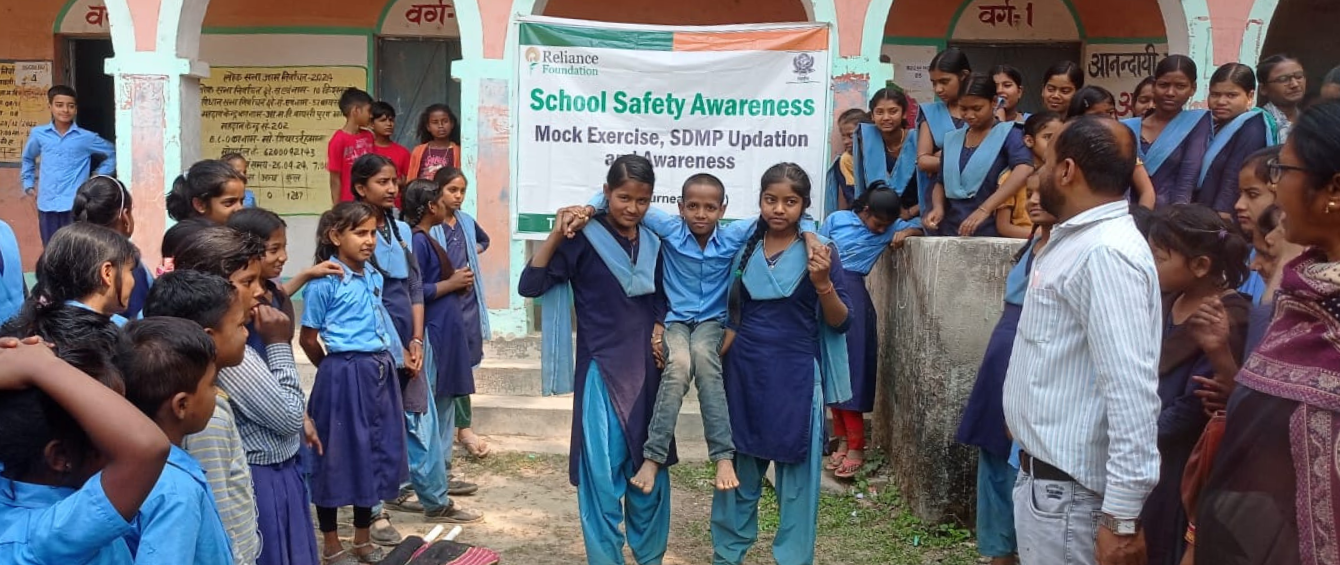
Reliance Foundation is building resilient communities by strengthening capacities to withstand and respond to disasters. We are developing a cadre of trained community volunteers skilled in first aid, search and rescue, public health risk management and livestock protection. Communities are supported to develop disaster preparedness plans, and regular mock exercises are conducted.
Our capacity development initiatives include creating repositories for public health risk communication, training master trainers and community cadres on WASH-focused public health management in emergencies, and integrating gender-responsive approaches including Menstrual Hygiene Management during disasters.
For livestock protection, preparedness modules draw from various guidelines and standards such as Livestock Emergency Guidelines and Standards (LEGS), Animal-Centric Technological Interventions in Emergencies (ACTIE), early warning systems, handling and feeding practices, and zoonotic disease management.
School Safety
Reliance Foundation is committed to creating safer and more resilient learning environments by actively engaging schools in disaster preparedness and risk reduction. By strengthening awareness, planning, and response mechanisms, the initiative supports schools in building resilience and improving their ability to respond effectively to emergencies.
A key component of this effort is the development of School Disaster Management Plans (SDMPs), which is a structured framework that helps schools prepare for, prevent, respond to, and recover from disasters by identifying hazards, vulnerabilities, risks, and existing capacities. These plans are designed to ensure the safety of students, teachers, and staff while minimising disruption to education during emergencies. Preparing children on safety measures is critical, as managing large numbers of students during a disaster can be challenging without prior planning and practice.
Reliance Foundation undertakes a range of activities to strengthen school-level preparedness. These include conducting training of trainers for teachers on school safety, supporting School Management Committees in preparing and updating school safety plans, and organising regular mock exercises at the school level. Mock drills are conducted in collaboration with key government departments, fostering coordination and clarity of roles during emergencies.
Page Content
More on Disaster Management
Disaster Response
Disaster Response Operations
Reliance Foundation has stood with communities through multiple disasters across India, reaching over two crore people through its disaster management initiatives. With collaboration, innovation, and community-led action, it continues to build lasting resilience.
During the COVID-19 pandemic, Reliance Foundation mounted one of India’s largest private-sector responses, supporting over 1.9 crore people through food, oxygen, medical aid, and vaccination drives.
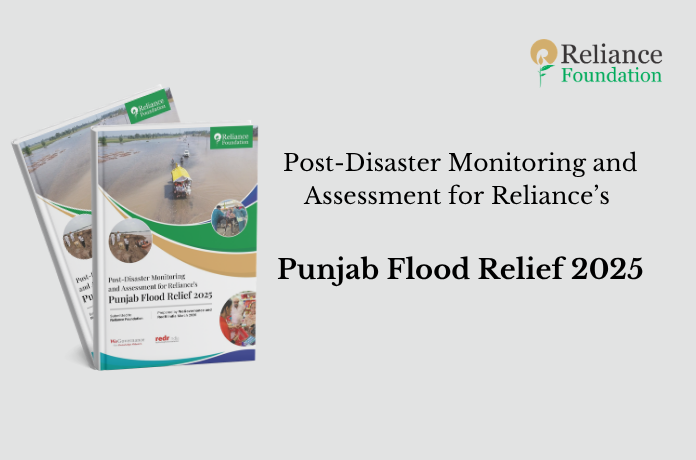
So far, Reliance Foundation has responded to over 60 disasters nationwide. In the recent Punjab floods, it activated a ten-point humanitarian response, working closely with authorities and local bodies to deliver urgent relief in Amritsar and Sultanpur Lodhi. Teams also provided timely assistance during floods in Solapur and Beed districts of Maharashtra, reaching the most affected communities quickly and effectively.
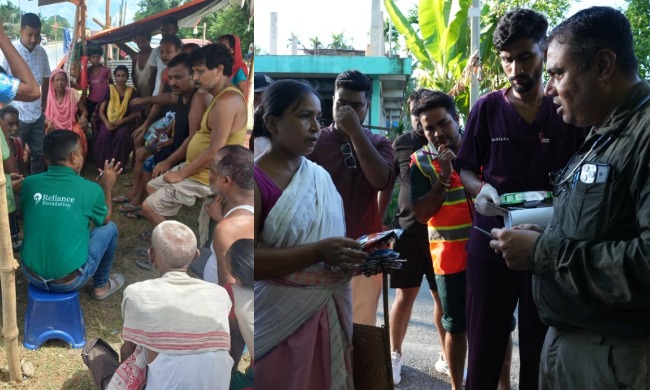
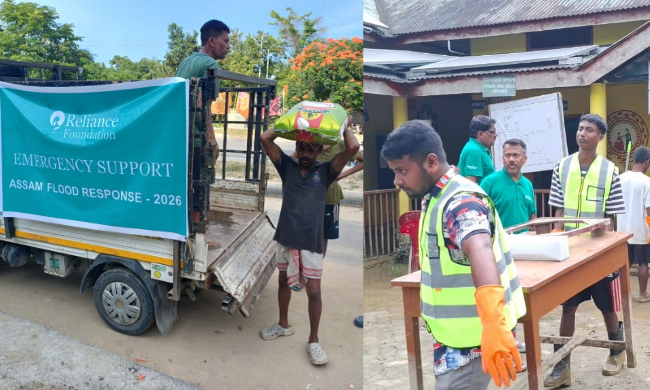
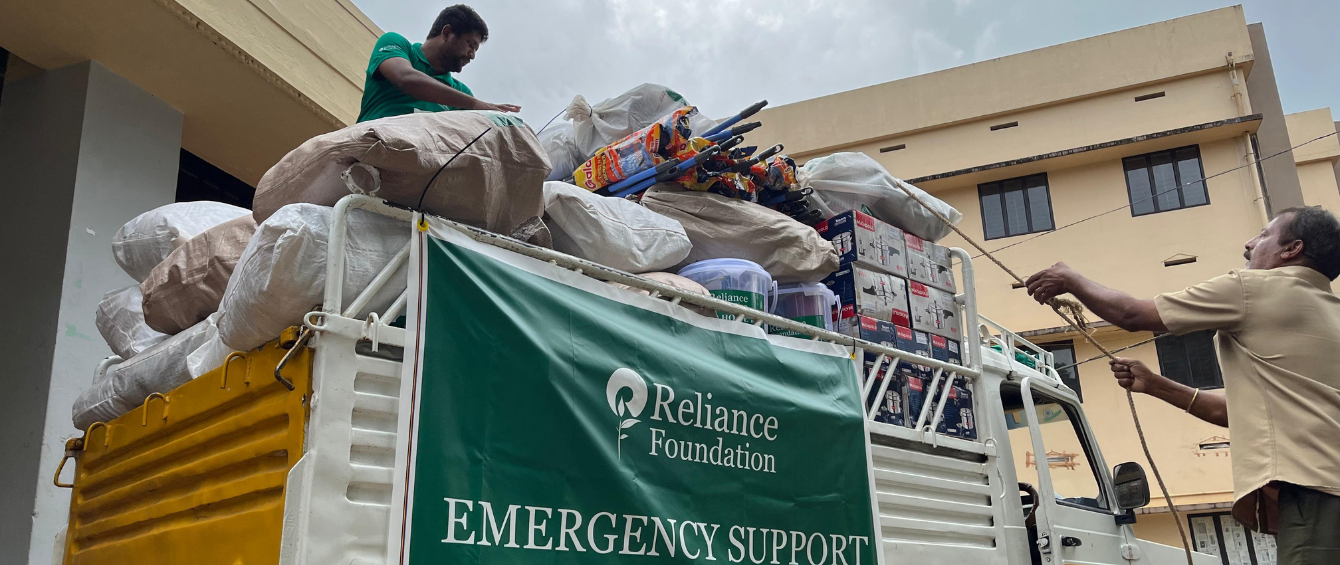
Across these emergencies, Reliance Foundation has provided timely relief through the distribution of essential supplies such as food items, non-food items including hygiene and sanitation materials, clothing, household items, emergency shelter kits, and other critical necessities. Recognising the central role of livestock in rural livelihoods, Reliance Foundation has been organising livestock health camps to provide emergency veterinary services and supplementary feeding support to protect animal health, prevent disease outbreaks, and safeguard household incomes. Given that public health risks escalate sharply during emergencies, Reliance Foundation has also undertaken extensive campaigns on public health risk management, ensured the provision of safe drinking water, and delivered other need-based emergency support in coordination with local authorities.
Reliance Foundation's relief interventions is aimed at meeting immediate survival needs, preventing the spread of diseases, restoring dignity and safety for affected families, and enabling communities to stabilise and transition towards early recovery.
Volunteerism for Response
Reliance Foundation's Disaster Management team has built a large pool of trained volunteers who play a critical role in disaster response through quick deployments, thus helping timely assistance to affected communities during emergencies. Their local knowledge and proximity to disaster-prone areas enable swift, well-coordinated action, helping ensure that support reaches communities without delay.
Page Content
